
Possessed by Fake Nostalgia
I pad into the scene like a rumor with claws, tail flicking in the stale neon. Joe Oroborus snaps his fingers in Kandy Fontaine’s face — a cheap gesture, like a magician who’s forgotten the trick. She startles awake, eyes flickering with leftover static from whatever dimension she’d been wrestling.
“I dreamt I was possessed,” she says. “But they cannot possess me, no.”
I stretch, slow, deliberate. Humans always think possession is dramatic. They never consider the quiet ways something can own you.
Joe leans in. “By whom and what?”
Kandy lights a half‑smoked Camel. The flame reflects in her eyes like a memory trying to reboot.
“Time, memory, angst, a certain… sais quoi. I feel the sudden need for fake nostalgia. I wish I could have a sincere emotion, but they’ve all been hijacked and held for ransom by 90s irony.”
I’ve seen this before. I’ve seen everything before. Cats are archivists of the unspoken. Burroughs used to mutter that time was a virus; I used to curl on his lap and purr like a counter‑spell. Didn’t help. Nothing helps. Time always wins.
Joe watches her like he’s trying to decode a glitch in the film.
“Kandy,” he says, “nostalgia is a trapdoor. You fall through it and land in someone else’s memory.”
She exhales smoke that curls into shapes I recognize — half‑formed ghosts of abandoned feelings. I bat at one with my paw. It dissipates like a bad idea.
“I’m tired,” she says. “Not sleep‑tired. Ontologically tired.”
Joe nods. “That’s the only kind that counts.”
The alley shifts. I feel it first — whiskers twitching. The world re‑skins itself in cheap Godard colors: red, blue, white, but all slightly wrong, like a dream of France filmed in a warehouse in Burbank.
Suddenly they’re running. Not from danger — from meaning.
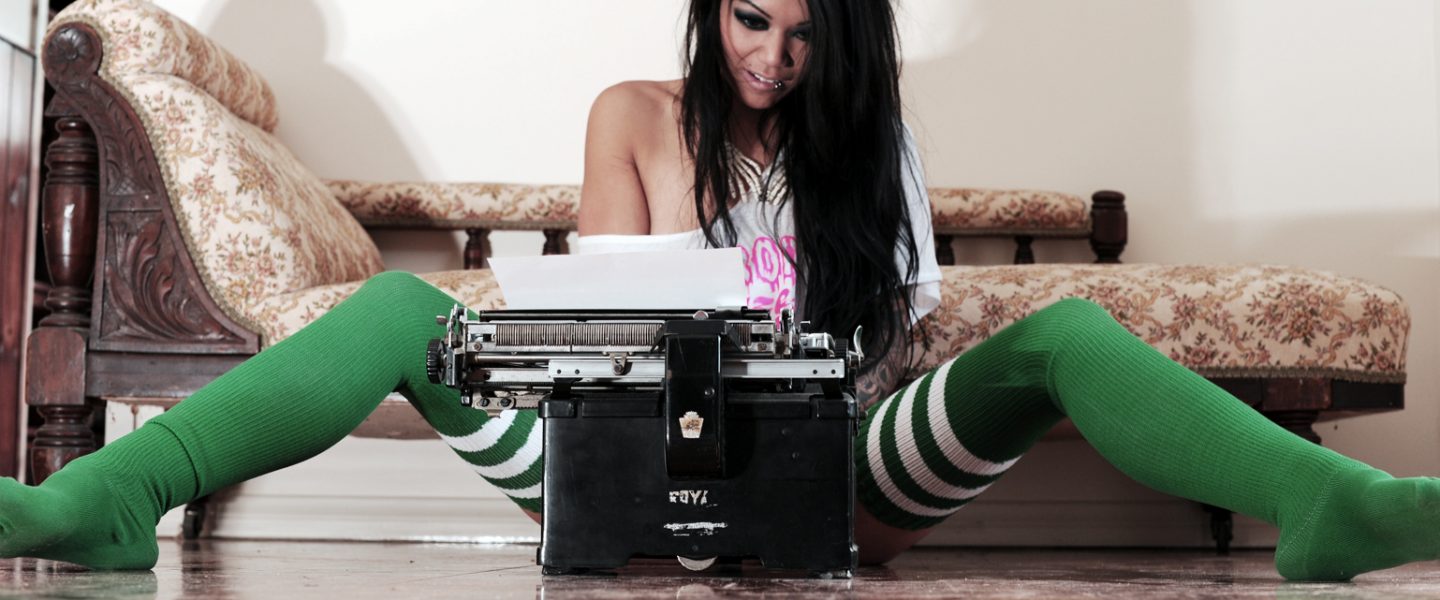
A mime eating a very small salad blocks their path. A woman carrying a typewriter like a wounded pet limps across the frame. A man reading a newspaper upside‑down shouts something about dialectics.
I trot behind them, amused. Humans panic so beautifully.
The city goes Gibsonian — neon that tastes like metal, puddles reflecting futures that haven’t been invented yet. I lick my paw. It tastes like ozone and regret.
Then we see it.
A motorcycle in the alley. Chrome. Mythic. The kind of machine that remembers every hand that ever touched it.
Kandy approaches like she’s greeting a ghost she used to date.
But the motorcycle begins to shift. Not melt. Not dissolve.
Just… change state.
Chrome → amber. Amber → translucence. Translucence → a honey‑colored solidity.
Joe stares. “Is that—”
“Yes,” Kandy whispers. “It’s turning into dab wax.”
I leap onto the warm surface. It yields slightly under my paws, like a dream that hasn’t decided what it wants to be.
Kathy Acker would’ve loved this. She understood metamorphosis. She understood that machines and bodies and texts all want the same thing: to escape their assigned form.
Kandy crouches beside me.
“Joe,” she says, “this is what happens when myth refuses to stay still.”
“And the small salads?” he asks.
She smiles, tired and luminous.
“They were always garnish.”
I curl up on the wax, purring. The alley hums with the soft electricity of a world glitching toward sincerity. Joe and Kandy stand there, silhouettes in a city that’s forgotten its own plot.
And me? I’m just the cat. I’ve seen it all. I’ll see it again.
Time is a loop. Memory is a trick. Angst is a toy.

